

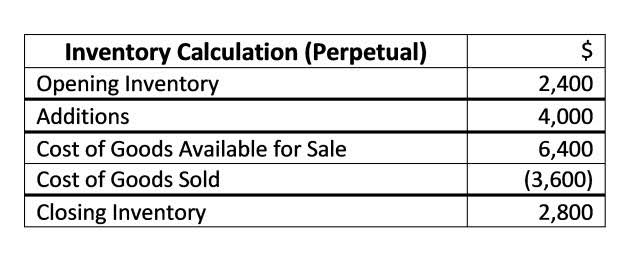
It is essential to understand the concept of the operating cycle formula as it helps to assess how efficiently a company is operating. An analyst would prefer a shorter cycle because it indicates that the business is efficient and successful. Besides, a shorter cycle also indicates that the company will be able to recover its investment fast and has adequate cash to meet its business obligations. Businesses operate through a continuous flow of activities, transforming resources into revenue. Understanding the pace and efficiency of these activities is important for an organization’s financial well-being. This involves tracking how quickly a company converts its initial investments in resources, such as inventory, into cash from sales.

Working Capital and Operating Cycle in Excel
The Operating Cycle does not account for the time it takes to pay suppliers, focusing solely on the conversion of inventory to cash. The result shows that the company has a working capital of $2,500,000, which means that it has enough current assets to cover its current liabilities and fund its operations. The working capital cycle is 73 days, which means that it takes 73 days for the company to convert its inventory into cash, and then use that cash to pay off its current liabilities. The operating cycle is 109 days, which means that it takes 109 days for the company to convert its inventory into cash. A related concept is that of net operating cycle which is also https://designhound.com.au/what-is-mark-to-market-mtm-how-it-works/ called the cash conversion cycle.
Step-by-Step Calculation:
It begins when a company acquires inventory and concludes when it collects cash from the sale of that inventory. This metric shows how efficiently a company manages its operations and working capital, indicating how long capital is tied up, which impacts liquidity and financial health. It considers all the factors that impact the cash, including time of holding inventory, collection of the receivables, and time is taken to pay off the cash to the suppliers. So, a payment factor to the suppliers is added in the calculation of the cash conversion cycle. The performance of these calculations enables the business to calculate the operating cycle as these are the components of the cash conversion cycle.
How Does Inventory Turnover Affect the Cash Conversion Cycle?
The first stage is the inventory period, which measures the average number of days that inventory remains in stock before it is sold. This period encompasses the time from when a company acquires raw materials or finished goods until those items are converted into sales. It reflects the efficiency of a company’s purchasing, production, and sales processes in moving goods through its system. The Life Cycle Costs (LCC) formula and calculator are essential tools for optimizing the financial performance of assets and systems over their entire lifespan.
Unit Converter

You can also modify the formulas or add more variables to suit your specific needs or preferences. However, you should always be careful with the accuracy and validity of the data and the assumptions that you use, as they may affect the results and the interpretation of the working capital and the operating cycle. The LCC formula and calculator have a wide range of applications in various industries, including construction, manufacturing, energy, and transportation. The formula and calculator can be used to evaluate the total cost of ownership of buildings, equipment, vehicles, and other assets, helping to make informed decisions about acquisition, operation, and maintenance. A company’s cash conversion cycle broadly moves through three distinct stages and draws the following information from a company’s financial statements.
Operating Cycle Formula
- The company has a negative net operating cycle which shows that the company is effectively using the money of its creditors as working capital.
- It might also mean the firm is not maintaining enough inventory to meet the potential surge in demand.
- Any negative effects from your operating cycle on other aspects of your business may reflect badly on your business’s future profitability.
- It represents the total time from the acquisition of inventory to the collection of cash from sales.
- Where D is the number of days for which the relevant turnover ratios are available i.e. 365 in case of a year.
The ‘accounts receivable period’ is the average number of days it takes for a firm to collect cash from its customers after a sale has been made. Conversely, a longer operating cycle can signify inefficiencies and strain a company’s cash flow. When cash is tied up in inventory or uncollected receivables for extended periods, it can lead to liquidity problems and make it challenging to cover operating expenses or invest in growth opportunities. Businesses often aim to shorten their operating cycle to optimize working capital management and enhance financial flexibility. An increased operating cycle can result from slower inventory turnover, longer times to collect payments from customers, or delays in paying suppliers. Issues like production delays, excess stock, or lenient credit terms can all contribute to a longer cycle, affecting cash flow.

In Year 1, the company’s working capital cycle is 60 days, which is the time needed to convert inventory into cash, collect cash from credit purchases, and fulfill its outstanding payables to suppliers or vendors. A lower value of DIO indicates the company makes sales rapidly with better turnover. If cash is easily available at regular intervals, a company can churn out more sales for profits, as the availability of capital leads to more products to make and sell. A company can also sell products on credit, which results in accounts receivable (AR). Speaking of a long operating cycle, it suggests that the company is taking too long to sell its inventory and collect cash from customers.
- Therefore, while the operating cycle focuses solely on the time to turn inventory into cash, the cash cycle provides a fuller picture by factoring in how long the company can delay payments to suppliers.
- Such delays can tie up significant working capital, potentially leading to cash flow shortages and a greater reliance on external financing to meet ongoing obligations.
- Businesses track this metric as an internal management tool to identify operational bottlenecks and areas for improvement.
- When a company collects payments quickly, correctly forecasts inventory needs, or pays its bills slowly, it shortens the CCC.
- Once businesses master this, they can better navigate the financial seas – a victory for all stakeholders.
- On the other hand, the company’s working capital management for inventory and payables seems reasonable.
To calculate DIO for a year, take your total cost of goods sold during the year and divide by 365. This cycle is a measure of QuickBooks Accountant operational efficiency, indicating how quickly a business can generate cash from its sales process. A shorter operating cycle suggests that a company is managing its working capital effectively, as less capital is tied up in inventory and accounts receivable for extended periods. Conversely, a longer cycle indicates inefficiencies in inventory management or challenges in collecting payments from customers.
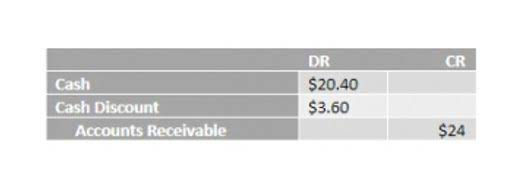
In contrast, a furniture store with a 90-day cycle might struggle to pay suppliers if sales slow. Understanding operating cycle calculator the operating cycle is vital for managing working capital efficiently. A shorter operating cycle indicates that a company can quickly convert its inventory into cash, which is crucial for meeting its short-term obligations and reducing the need for external financing. When the operating cycle is shorter, it indicates frequent sale of products, which lets the businesses learn about the extensive demand for the product in the market. Calculating this cycle plays a significant role in assessing the efficiency of a business. The formula for calculating the operating cycle is the sum of days inventory outstanding (DIO) and days sales outstanding (DSO).
Using Excel Formulas for LCC Calculation
- The cycle includes the time to purchase or produce inventory, sell it, and collect payment.
- In the realm of business finance, understanding the concept of the operating cycle is not just about processing a formula; it’s about comprehending a company’s efficiency, liquidity, and overall financial health.
- The second stage focuses on how long it takes the company to collect the cash generated from sales.
- The following table shows the data for calculation of the operating cycle of company XYZ for the financial year ended on March 31, 20XX.
- Continuing the example, an Inventory Turnover of 7.5 times would result in an Inventory Period of approximately 48.67 days (365 days / 7.5).
You might have noticed that businesses talk about their operating cycle differently, depending on their industry or size, adding to the confusion. The following table shows the data for calculation of the operating cycle of company XYZ for the financial year ended on March 31, 20XX. If the operating cycle shows less number of days, it shows the business is on the right track. On the other hand, if the figure obtained is more than what it should be, the businesses are found to be inefficient and lagging behind competitors. The target number of days for the CCC differs substantially by the industry the company operates within and the nature of products/services sold (e.g., purchase frequency, order volume, seasonality, cyclicality).